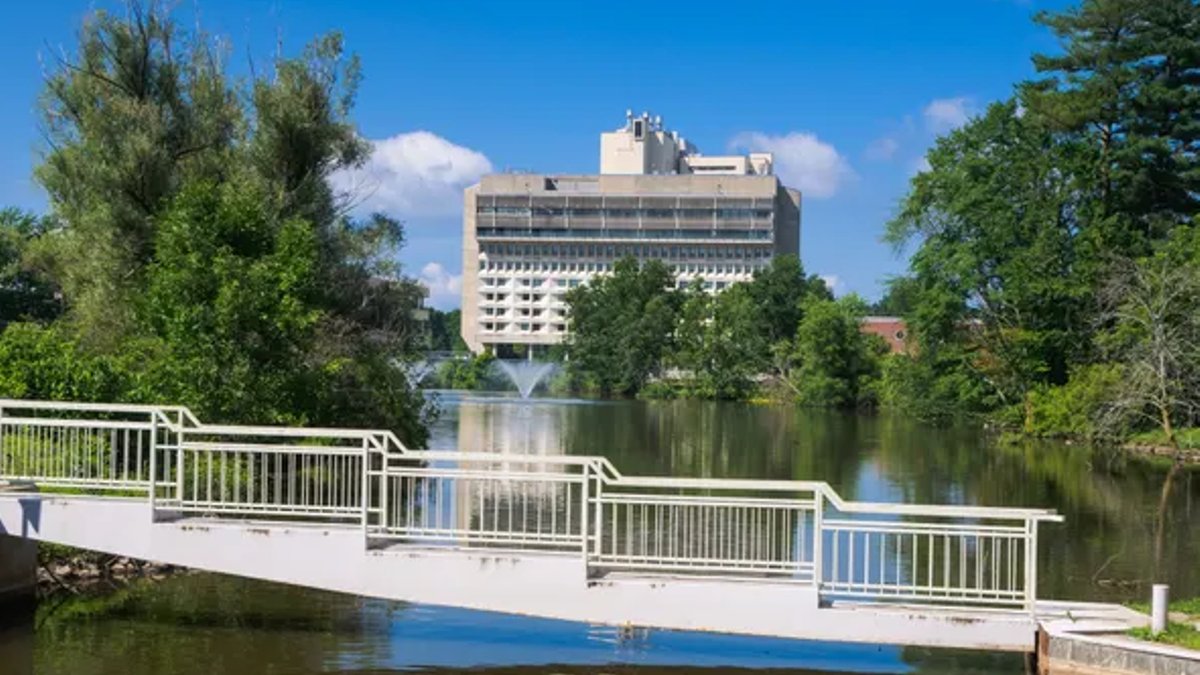
Massachusetts is awarding $23 million in clean energy grants to nine public colleges and state facilities, the state announced this month. The awards will cover up to 45% of the cost for projects that include connecting geothermal systems and implementing energy efficiency measures at various institutions.
The University of Massachusetts Amherst campus is receiving $7.4 million in grants to install a 5-megawatt industrial heat pump at its central heating plant. This project is expected to reduce the university’s reliance on fossil fuels and lower its greenhouse gas emissions.
These projects are expected to reduce annual greenhouse gas emissions by 21,000 metric tons and lower long-term costs for taxpayers, according to Gov. Maura Healey. The grants were awarded under the Massachusetts Department of Energy Resources’ Leading by Example Decarbonization Implementation Program.
This program aims to reduce on-site fossil fuel emissions by 35% by 2030, as directed by an executive order. They will support various projects, including the installation of a 5-MW industrial heat pump at UMass Amherst, which will use waste heat to produce low-pressure steam.
Related: Texas colleges face funding model challenges
UMass Boston is receiving $5.3 million to support a campuswide decarbonization plan, which includes replacing gas boilers at its central power plant with three electric heat shift chillers. UMass Dartmouth was awarded $1.1 million to establish a new connection to a geothermal system at one of its buildings.
The state’s Division of Capital Asset Management and Maintenance received $7.5 million to support geothermal projects at the Massachusetts Maritime Academy and Salem State University. It also supports projects at three public recreation sites, including an energy retrofit at the headquarters building for a Boston park.
These projects include the replacement of natural gas-fueled heating and hot water systems with variable refrigerant flow systems and heat pumps at two skating rinks. The rinks are the largest consumers of fossil fuels in the DCR rink portfolio.
Executive Office of Energy and Environmental Affairs Secretary Rebecca Tepper stated that these projects are major steps to cleaner heating and cooling technologies, with the state’s colleges and universities leading the way.
Related: New Graduates Face AI Competition for Entry Jobs
The $23 million in grants will have a significant impact on the state’s efforts to reduce its greenhouse gas emissions and transition to cleaner energy sources. As the state continues to invest in clean energy projects, it is likely that other institutions will follow suit, driving innovation and growth in the industry.
For example, the use of geothermal systems and industrial heat pumps can significantly reduce energy consumption and lower greenhouse gas emissions.
They will not only reduce their environmental impact but also serve as models for other institutions to follow.
The state is taking a proactive approach to reducing its reliance on fossil fuels and mitigating the effects of climate change by supporting the development of clean energy projects.
