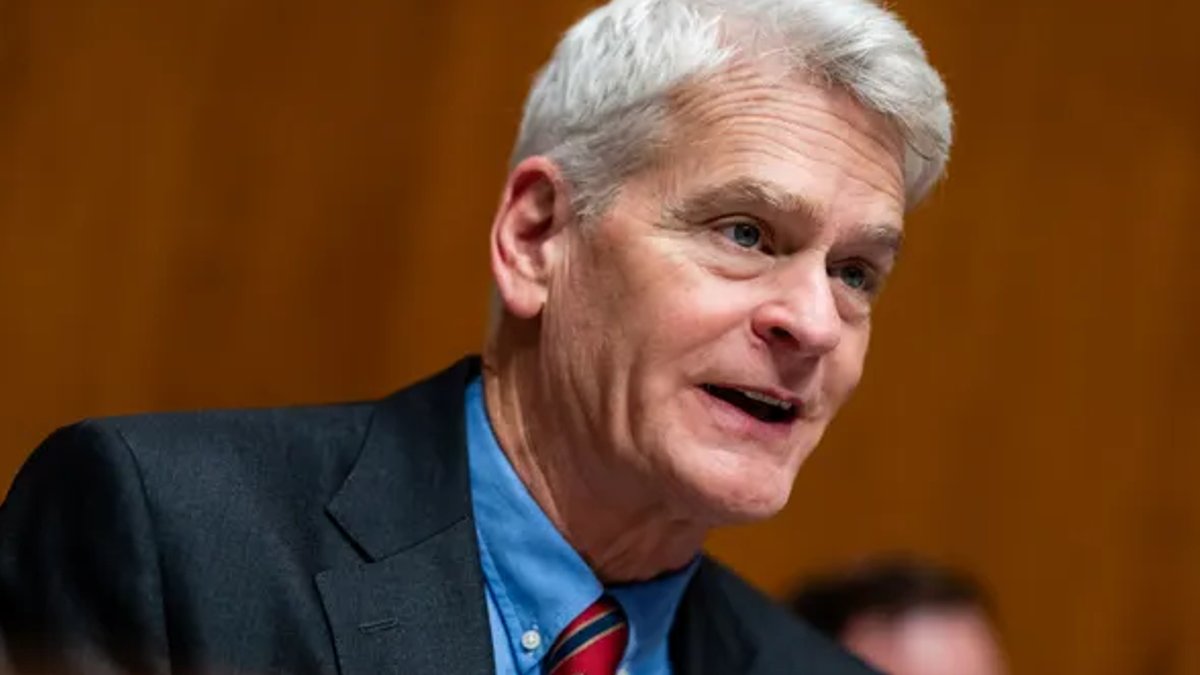
The Senate Committee on Health, Education, Labor and Pensions plans to consider the bipartisan College Transparency Act on Thursday. Led by committee chair Sen. Bill Cassidy, a Republican from Louisiana, the bill is being reintroduced alongside Sen. Elizabeth Warren, a Democrat from Massachusetts. Major higher education associations are urging lawmakers to advance the legislation, which seeks to lift a federal ban on collecting student-level data.
Proponents of the measure argue it would provide students with better information about their options and more accurate data on college outcomes, such as graduation rates and earnings. The U.S. Department of Education currently collects institution-level and aggregate data from colleges through surveys. This information helps track graduation and retention rates, but the federal data available on college outcomes is often limited in scope.
Who gets left out of the current numbers?
The College Scorecard, a Department of Education website designed to help students make decisions, provides data on student outcomes. However, much of this data is restricted to students who received federal financial aid. This exclusion leaves out the roughly one-third of students who do not receive such aid, according to a letter sent to Cassidy last October by the Association of Public and Land-grant Universities, the Institute for Higher Education Policy, and New America’s higher education program.
Related: New Graduates Face AI Competition for Entry Jobs
Similarly, graduation rates in the Integrated Postsecondary Education Data System are based only on first-time, full-time students. This methodology omits data on huge swaths of the student population. For community colleges, that existing data represents less than half of their students, according to the Association of Community College Trustees, which supports the bill.
Supporters of the College Transparency Act say the legislation would fill in these gaps. The bill would overturn the ban implemented during the 2008 reauthorization of the Higher Education Act and create a new database within the National Center for Education Statistics. Rep. Virginia Foxx, a North Carolina Republican, originally introduced the privacy-focused provision during that reauthorization.
Four prominent higher education associations, including the Association of American Universities, argued in a July 27 letter that the need for the legislation “has become more urgent as the federal government has become increasingly interested in using outcomes data to inform higher education policy and investments.” They highlighted a new Education Department earnings accountability framework that requires colleges to prove their graduates have better earnings than those with only high school diplomas, or risk losing access to federal student loans. The associations noted that much of the data used in that framework only counts students with federal aid.
Related: The Benefits of Hiring a Tutor
Is the bill likely to pass?
These gaps, the groups wrote to HELP Committee leadership, “leave policymakers, institutions, and prospective students with an incomplete and sometimes misleading picture of institutional and program performance.” However, not all higher education associations support the bill. The National Association of Independent Colleges and Universities opposes it, stating in a web post last week that the bill raises concerns about both student privacy and added regulatory burden on institutions.
Lawmakers have introduced the College Transparency Act several times. In 2022, it passed the House as an amendment to a larger bill, but was ultimately left out of the final legislation. In its post last week, NAICU noted that passage by the full Senate was unlikely, pointing to Congress’ upcoming August recess and a legislative backlog.
For students balancing part-time work and family demands, the current absence of outcome data often forces them to rely on marketing materials rather than actual results. If the government tracks performance for these non-traditional students, it could fundamentally shift market power from institutions that cater to the wealthy toward community colleges and vocational programs that serve the working class.
