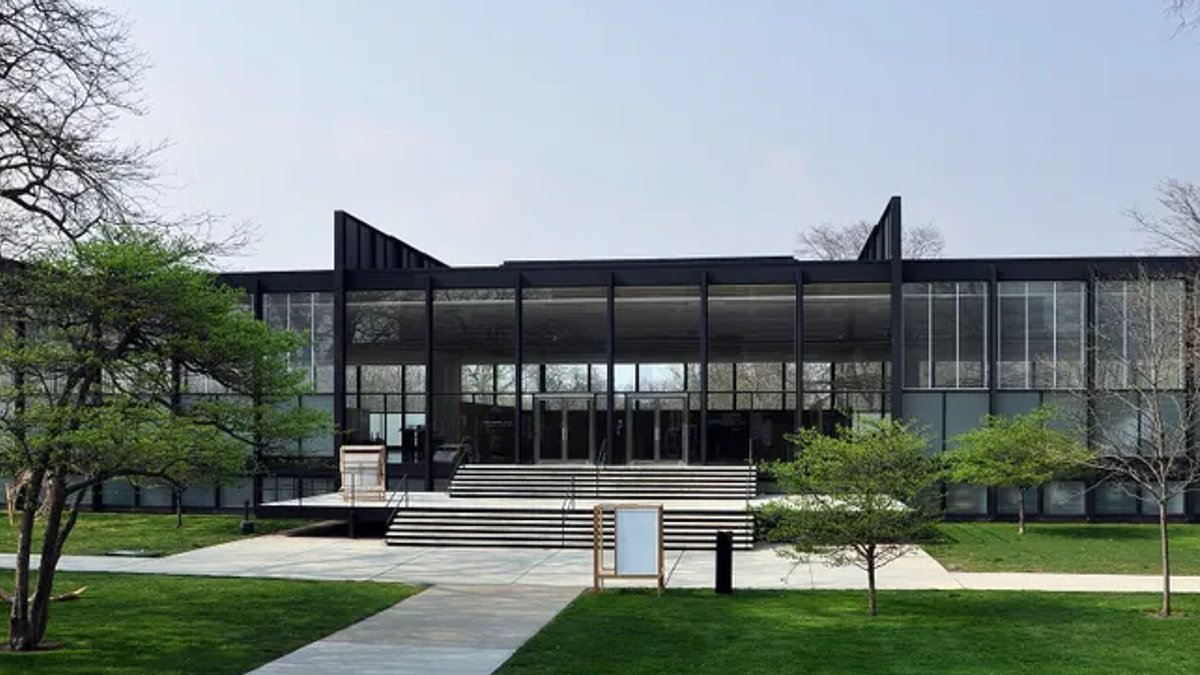
Illinois Institute of Technology has cut roughly 160 faculty and staff positions just ahead of the fall semester. The private Chicago institution cited the need to secure its financial future amid a challenging higher education market.
A spokesperson said the workforce reductions are intended to “ensure fiscal stability” and “continue to provide excellent education.” The cuts address specific headwinds facing the university, including “demographic decline, research cutbacks, and severe restrictions on international students.”
Officials framed the layoffs as a necessary step to “strengthen the University’s long-term financial sustainability.” The goal, they stated, is to preserve the school’s mission as an “opportunity engine” for future students. The timing of the layoffs, occurring just before the semester begins, is a point of contention for some observers.
Enrollment Shifts Drive Decisions
The university had benefited from growing enrollment until recently. Federal data shows the fall headcount grew by more than 27% between 2022 and 2024, reaching a total of 8,834 students. That growth trajectory has now stalled.
Related: McMahon seeks college policy reforms
Institutional data indicates enrollment plummeted by over 15% in fall 2025 compared to the previous year. Last fall, 42% of the student body consisted of international students. The financial health of the institution had appeared strong, with operating surpluses recorded in both fiscal years 2024 and 2025. The rapid shift in student numbers creates a sudden budgetary gap.
While the university reported operating surpluses in fiscal years 2024 and 2025, the sudden drop in headcount suggests those cushions might erode quickly if the trend continues. The heavy dependence on international students— who made up 42% of the population last fall— creates a specific vulnerability. Any policy shifts regarding visas or global travel could disproportionately impact the institution’s revenue stream compared to schools with more domestic-heavy enrollment models.
The spokesperson specifically pointed to “demographic decline” as a factor affecting the broader market. This issue, combined with “severe restrictions on international students,” has created a difficult environment for recruitment. Research funding also plays a role in the current financial picture. The spokesperson noted these cutbacks alongside demographic issues as primary drivers for the restructuring effort.
Leadership Challenges: Internal Dissent
The restructuring has created friction on campus. According to WBEZ Chicago, the college’s faculty senate issued a no-confidence vote against the university’s president and provost last week. This vote occurred after months of rumors concerning the institution’s financial stability.
Related: Students Face $100K Fee for OPT Program
The governing board has rejected the faculty’s criticism. “The Board of Trustees has affirmed, and continues to reaffirm, its confidence in the president, provost and leadership team,” the spokesperson stated via email on Monday.
The board unanimously supported the “academic transformation and financial restructuring.” The administration maintains that the cuts are essential for survival. The statement described the university as an “opportunity engine for generations to come.” Preserving this mission was cited as a primary motivation for the difficult decisions made this week.
Academic Ratios Hold Steady
Despite the reduction in personnel, Illinois Tech stated it will maintain a 15-to-1 student-faculty ratio after the restructuring. Federal data shows the ratio was 14-to-1 as of fall 2024. The increase is marginal, but it represents a shift in resources.
The university claims the quality of education will remain high despite the staff reductions. The focus now turns to execution. The institution is now focused on stabilizing its operations. How effective these measures will be depends largely on its ability to manage enrollment in a turbulent environment.
