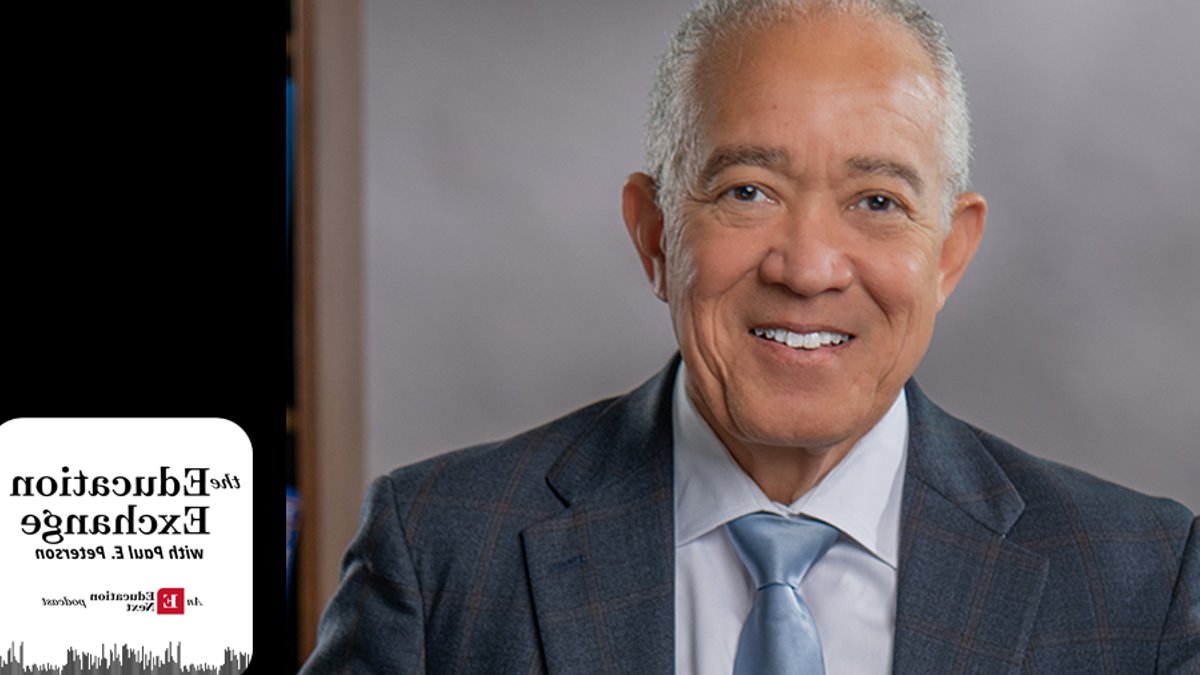
Superintendent Mike Miles has published a book, “By Design, How to Transform School Systems,” detailing the overhaul of the Houston Independent School District. The work outlines the changes implemented in the city’s public schools over the past three years, focusing on raising proficiency rates and closing achievement gaps for minority students. Miles argues that large urban districts must adopt specific operational changes to succeed.
The district has seen notable improvements in its accountability ratings since the reforms began. In 2023, 44% of campuses held a D or F grade, but by 2026, only 13 campuses received these low ratings. The number of A and B campuses jumped from 93 to 205 during the same period.
Student achievement data shows narrowing gaps between different demographic groups. The math score disparity between Black and white middle school students dropped by 16 percentage points. The gap between Hispanic and white students halved, from 30% to 15%. Miles attributes these numbers to changes in instruction delivery and school accountability.
The focus on attendance has also impacted the district. A state rule requiring at least 90% attendance to advance to the next grade level has led to fewer students moving forward without meeting basic attendance requirements. The district now mandates 25 additional days of summer school for such students.
Systemic Overhaul and Instructional Coherence
Miles describes his approach as a “whole-scale systemic reform.” He believes that simply buying new programs or providing professional development is insufficient without altering the underlying conditions of the school system. He proposes six “condition setting measures” including specific accountability, clear expectations, and rigorous monitoring.
A major reform component is instructional coherence. The district centralized control over curriculum and lesson planning, ensuring a 4th-grade teacher teaches the same skills as the 3rd-grade teacher. The model uses direct instruction followed by a “demonstration of learning” where students are grouped based on proficiency.
Related: Charter Schools Face Repeat of Lost Decade
One contentious change involves removing school leader autonomy. The district previously allowed parent-selected principals but Miles eliminated this practice. He argues that parents often selected leaders for failing schools. Now, the district has a centralized leadership selection process based on performance and instructional capacity.
Implementing the new system faced resistance in the first year. Miles removed 1,400 teachers unwilling to adopt the new framework. The district introduced a “pay for performance” model, tying teacher compensation to student outcomes. This led to higher salaries for effective teachers and a significant reduction in vacancies.
Aligning Culture with Expectations
The superintendent emphasizes that high expectations must be paired with a high-performance culture. He contends that the system, rather than individual teachers, is often to blame for poor outcomes in underserved communities. By raising the bar and reducing instructional variability, the district supports both students and staff.
The approach challenges the current trend toward school choice and increased autonomy. Miles argues that too much freedom leads to inconsistency and that clear guidance is necessary for large systems to function effectively. He points to the success of elite organizations in other fields, which rely on strict protocols and unified direction.
Despite data-driven success, Miles faces criticism from local media and civil rights groups. The Houston Chronicle and others have been quiet about the reduction in teacher vacancies and the narrowing of achievement gaps. Miles suggests this silence results from the reforms shifting away from the status quo and old power structures that favored certain schools.
The reforms have also drawn praise. The [1](https://www.acamedicum.com/higher-education-value.html) notably highlights the district’s progress, linking it to broader discussions on the value of higher education. Miles’ book, “By Design,” offers a detailed roadmap for other districts seeking to replicate these results.
