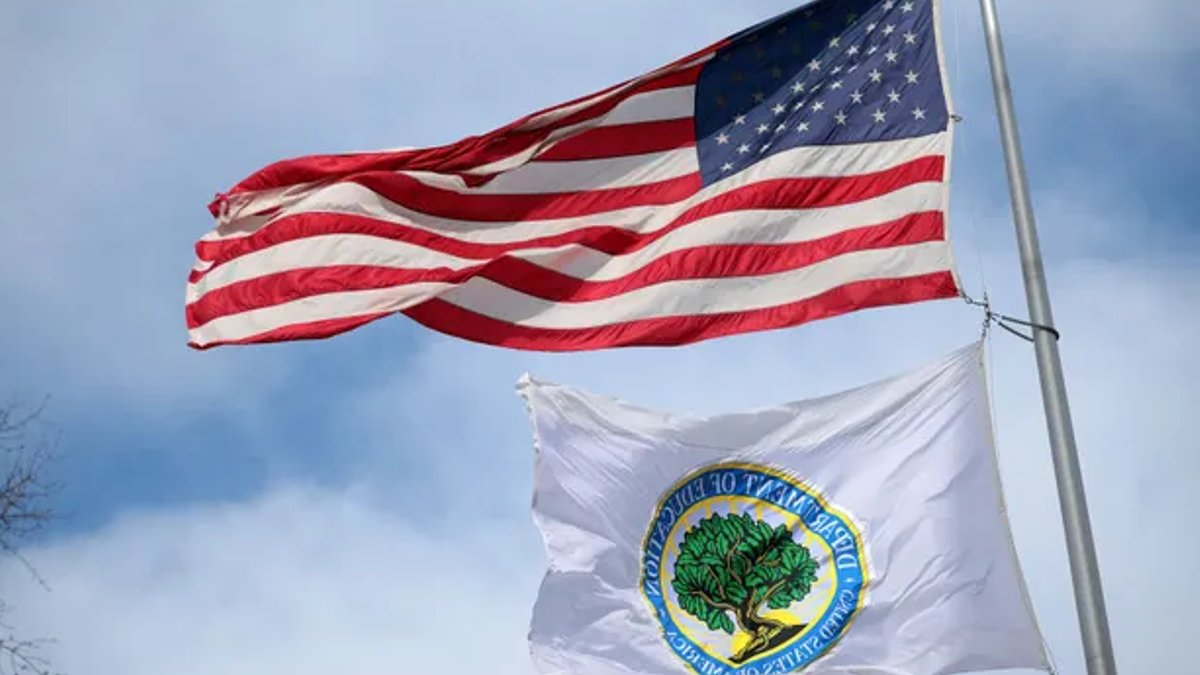
The U.S. Department of Education announced on Tuesday that over 1,900 institutions have failed to submit required data under two Biden-era regulations. The oversight involves financial value transparency and gainful employment rules, which aim to provide consumers with information about colleges and crack down on career education programs that leave students worse off financially.
Institutions have until Jan. 15 to submit the first two rounds of data required under these regulations. The Education Department stated that it would not grant further extensions, warning that colleges risk fines and other sanctions if they miss the deadline. The third and final year of data required by the Biden-era regulations is due Oct. 1, though colleges may choose to skip submitting this final year if they implement the new Trump administration rule early.
Reporting requirements are separate from the Trump administration’s recent rule, which replaces the Biden-era regulations. The new rule, intended to ensure college graduates earn more than typical workers, is scheduled to take effect in mid-2027. As a result, colleges must still complete the first two years of data submission under the previous administration’s guidelines.
The Biden-era regulations required career education programs to show that at least half of their graduates earn more than workers with only high school diplomas. They also included a debt-to-earnings measure to ensure programs do not saddle graduates with unmanageable student loan debt. Programs that fail the test in two out of three consecutive years lose eligibility for federal student loans under the Biden-era rules. In some cases, colleges could also lose access to Pell Grants if more than half of their students receiving federal financial aid are enrolled in failing programs.
The financial value transparency rule imposed new reporting requirements for all colleges, including information about program costs and loan burdens. While this rule did not come with penalties, the Biden administration said it would post the data on a consumer-facing website. The gainful employment rule shares a similar earnings test with the Trump administration’s new regulations, requiring career education programs to show that at least half of their graduates make more than workers with only high school diplomas. However, it goes further by also requiring programs to pass a debt-to-earnings measure.
For bachelor’s programs, the rule requires them to show that at least half of their graduates earn more than a typical worker in the same state with only a high school degree. Graduate programs face a similar test, though their graduates are compared against workers whose highest level of education is a bachelor’s degree. Some Democratic lawmakers and policymakers have sounded the alarm about the Trump administration’s regulations, arguing that they are weaker than the Biden-era gainful employment rule. Student sentiment regarding institutional leadership often mirrors these policy shifts. Many prospective students weigh in on college presidents to understand how executive decisions impact tuition costs and program outcomes. Students weigh in on college presidents to gauge the effectiveness of administrative strategies in addressing regulatory compliance.
