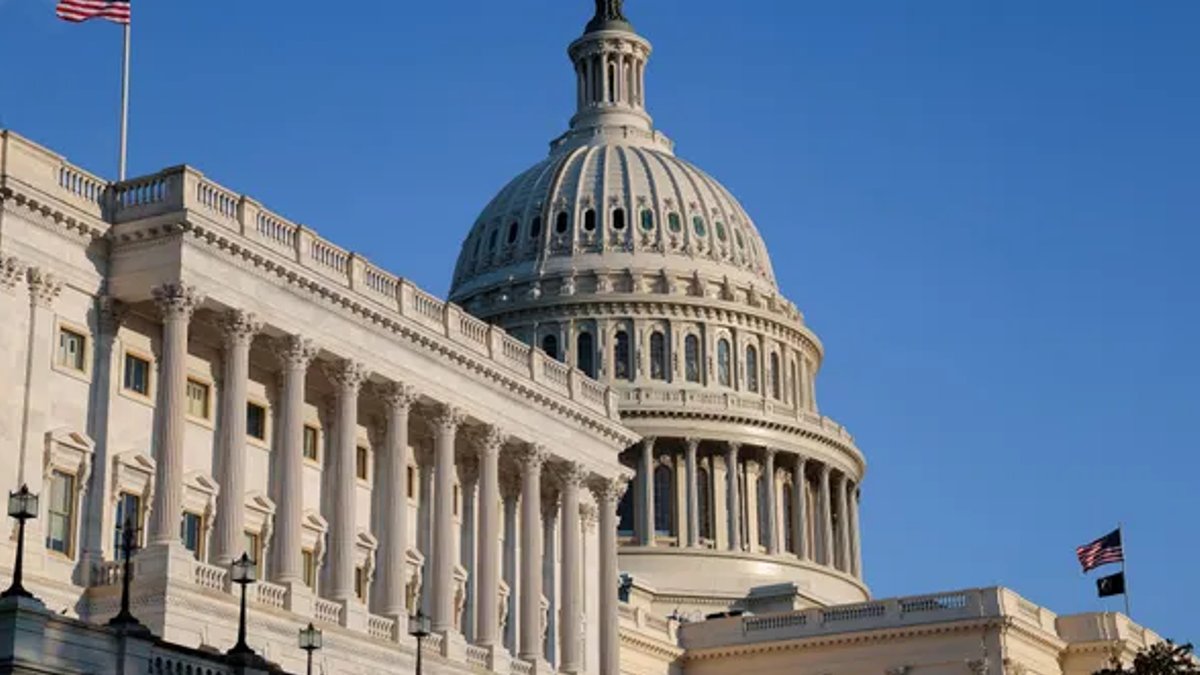
A bipartisan group of senators reintroduced legislation last week aimed at banning legacy admissions at colleges across the country. The Merit-Based Educational Reforms and Institutional Transparency Act, known as the Merit Act, would require accredited schools to stop giving preferential treatment to applicants based on their relationships with alumni or donors.
Ties to Accreditation
The proposal ties funding and institutional standing to admissions policies. If a school does not comply, it risks losing its accreditation, which effectively halts its ability to operate. This framework represents a significant shift from previous efforts, which failed to gain traction in both chambers last year or in 2023.
Republicans Todd Young, Tim Scott, and John Kennedy joined Democrats Tim Kaine, Raphael Warnock, and Andy Kim to sponsor the measure. Young, a senator from Indiana, said in a July 23 statement that America is a land of opportunity, not a land of aristocracy. He argued that legacy admissions restrict opportunities for bright young Americans and provide unmerited advantage to the most connected individuals.
Related: NSF funds $47M pilot to give PhD students industry experience
The bill defines “preferential treatment” strictly. It prohibits using an applicant’s ties to alumni or donors as the “determinative factor” in admissions decisions. However, the legislation explicitly allows schools to consider “demonstrated interest” — where prospects show active engagement with the institution — provided the criteria for assessing that interest are clearly defined and publicly available to all students.
Supporters also included language to ensure religious colleges can make admissions decisions consistent with their faith-based values, a necessary accommodation for private religious institutions.
Declining Practices
Even without a federal ban, the practice has been shrinking. A 2025 report from the nonprofit Education Reform Now cited by the bill’s sponsors found that 24% of four-year colleges consider legacy status in their admissions practices. This is down from 29% in 2022 and 49% in 2015.
Related: New Graduates Face AI Competition for Entry Jobs
Most of these changes were voluntary, though 14% were required by state laws. The report notes that legacy practices persist most strongly at the wealthiest and most selective colleges and universities, with more than half of those institutions giving a “birthright advantage” to relatives of alumni.
Pressure is mounting from various directions. The proposal comes amid heightened scrutiny following the 2023 U.S. Supreme Court ban on race-conscious admissions and the “Varsity Blues” scandal that broke in 2019. The Trump administration has also been aggressive in enforcing the Supreme Court’s decision, creating a difficult environment for institutions that wish to maintain holistic admissions processes.
Looking at state-level enforcement, California lawmakers required colleges receiving state student aid to eliminate legacy admissions or face a public list of violators. In response, Stanford University chose to forgo public money rather than change its admissions policies or be placed on that list. This suggests that while federal legislation might be difficult to pass in a polarized Congress where Republicans hold thin majorities, the financial and reputational risks of maintaining the practice are becoming increasingly high for elite institutions.
