A 2015 study claimed human attention spans had dropped from 12 seconds to eight seconds—shorter than a goldfish’s, according to the researchers. The finding generated global headlines, blaming technology for a supposed cognitive decline. However, the claim lacked solid scientific grounding.
The study’s central argument—that humans now focus for less time than fish—was more metaphor than fact. In truth, sustained attention, the kind needed for reading, problem-solving, or classroom learning, has never been measured in seconds. Historical research places attention limits between eight and 25 minutes, rarely exceeding 30. A 2009 study compared student focus to industrial workers monitoring equipment, showing predictable declines in concentration over time. By 2025, Nature confirmed that adults performing the decades-old d2 test, a task requiring scanning hundreds of letter variants, showed no meaningful performance decline.
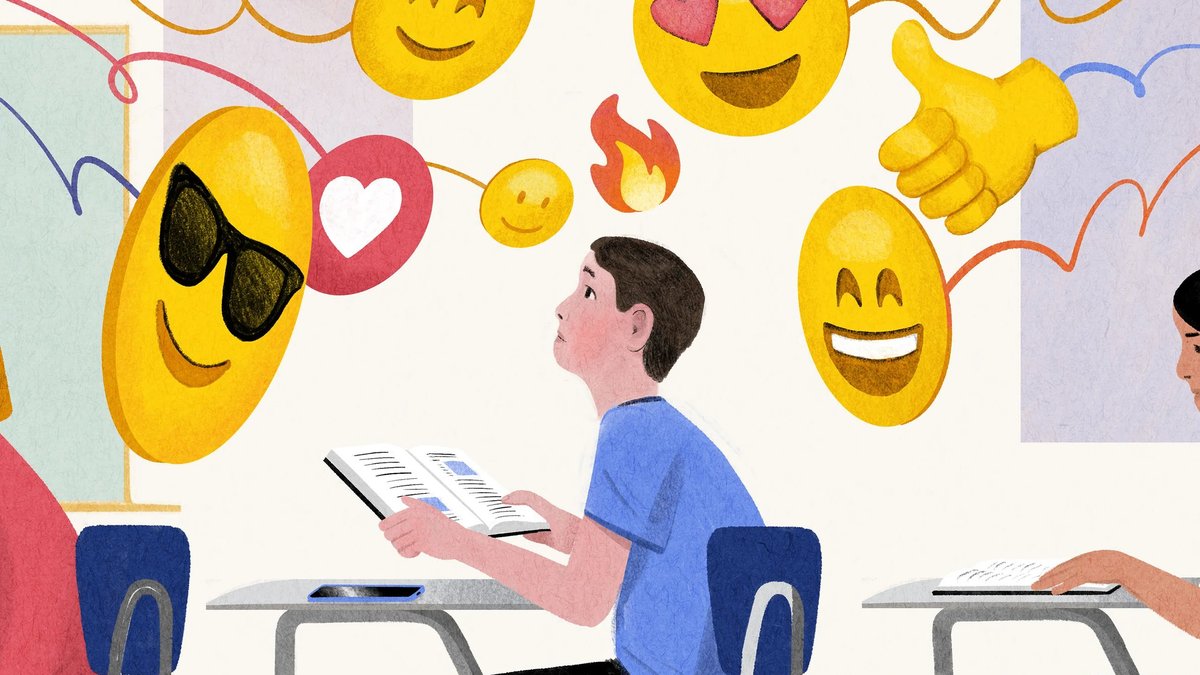
What has shifted is how people allocate attention. Teachers report students struggling to focus in classrooms, and research supports this observation. A 2012 tracking study found mobile users frequently engaged in “quick uses of 30 seconds or less,” while a 2013 experiment with 263 students showed they averaged less than six minutes on a single task before switching, often due to digital distractions like social media or texting. Even brief interruptions increase errors when students return to work. A 2017 review found task completion could slow by up to 400% after an unintended phone distraction.
By the 2020s, teen cell phone use had surged dramatically. A 2021 study of 5,400 adolescents found non-school phone use doubled during the pandemic, rising from 3.8 hours a day pre-pandemic to 7.7 hours daily. Yet whether brains are being “rewired” remains unproven. Using MRI and other methods to look into the human brain as neural circuitry is activated reveals no fundamental changes in critical areas related to attention.
In principle, such measurements might be used to detect changes in attention capacity over time or between cohorts of people. But the cognitive neuroscientist Nilli Lavie, as reported in Nature, notes that she doesn’t have the data to show that, and no such pattern has shown up in controlled lab studies.
Attention Isn’t Shrinking, Expectations Are
The real change may lie in how people perceive time and effort. A 2026 study proposed that constant exposure to notifications, short videos, and progress bars heightens temporal awareness, making delays feel intolerable. For students, what appears as diminished focus may instead reflect a recalibration of effort. Researchers explain in another 2026 study, “Digital media use may influence cognition mainly by recalibrating how effort is valued and allocated.”
Cognitive scientist Daniel Willingham, who has studied the issue for years, rejects the idea of a biological decline. “Children’s ability to control their attention has not been compromised,” he said. “If it has, it’s a small effect.” Instead, technology alters the cost-benefit analysis of sustained work. A chemistry problem may feel tedious when weighed against entertainment consumed in seconds.
Classrooms Adapt
Middle school teacher Cathleen Beachboard demonstrates attention limits by showing students a selective-attention video, then asking them to multitask. The result is predictable: those who try hardest fail. “One of the most powerful ways to teach attention is to let students experience its limits,” she writes. Research supports this approach. A 2025 study urged teachers to work within cognitive limits, not against them, by introducing breaks, reducing visual noise, and connecting learning to meaningful goals.
Variations of the Pomodoro Technique, where students work in timed bursts with breaks, have gained popularity. The method gradually extends focus periods as students build stamina. But the broader lesson is simpler: attention isn’t a fixed resource to be stretched. It’s a skill shaped by environment, expectation, and what students believe is worth their time.
A 2022 study found cell phones in class had a “statistically significant large negative effect” on recall, while background noise, whether from chatter or visual clutter, further reduced comprehension. The solution isn’t just banning devices; it’s redesigning the conditions under which attention is possible. Korisky’s research shows students who understand how attention works perform better when they can shift focus intentionally, filtering distractions rather than fighting them.
Digital Habits Reshape Effort Perception
Social scientist Jonathan Haidt’s 2026 TED Talk framed the issue as motivational misalignment. He argued constant access to low-effort rewards, such as swiping through social media or watching short videos, undermines the perceived value of sustained cognitive work. “It teaches [kids] that there’s always a little bit of reward, a little bit of dopamine available, just one swipe away, and that undermines the ability to do difficult or sustained cognitive work like reading a book.” The effect isn’t limited to children; adults also struggle to justify investing time in activities that no longer align with instant gratification.
Classroom Strategies Beyond Bans
Stanford neuroscientist Adi Korisky’s 2024 research identified flexible attention, the ability to shift focus intentionally, as the strongest predictor of learning success. Her findings suggested teaching students how attention works, rather than demanding prolonged focus, yields better outcomes. Korisky’s curriculum, tested in classrooms, showed students who understood attention’s mechanics performed better when allowed to filter distractions rather than suppress them entirely. This approach aligns with a 2025 study urging teachers to work within cognitive limits, using breaks, reduced visual noise, and meaningful goals to structure learning.
