The number of bachelor’s degrees awarded in the liberal arts has fallen to a 30-year low, according to the American Academy of Arts & Sciences. This decline is attributed to students choosing majors they consider directly tied to careers, such as business, management, and health professions.
Graduates who majored in humanities and social sciences tend to believe they’re at a disadvantage, with fewer than one in five thinking their educations are directly relevant to their careers, Gallup polling finds.
Chairs of humanities departments think their disciplines are undervalued and are being “persecuted,” a new survey by the American Academy of Arts & Sciences finds. They want their universities and colleges to do a better job of marketing the field.
Liberal arts graduates may not make as much as classmates in other subjects right out of college, but they catch up over time, according to supporters of the liberal arts. However, data from Strada suggests that things aren’t so clear-cut, with liberal arts majors never earning as much as their counterparts who majored in STEM disciplines.
Many bachelor’s degree graduates in the liberal arts begin their careers underemployed, meaning working in jobs that don’t necessarily require those degrees, Strada has found. Though many eventually move into degree-level jobs, they’re more likely to remain underemployed a decade after graduation.
Related: Trump Team Gives Head Start Doge Boost
Liberal arts graduates are in surprising demand in the technology industry, where they actually outnumber graduates from technical programs, a study by the Strada Institute for the Future of Work found. LinkedIn discovered that more liberal arts than computer science and engineering graduates were being hired by tech employers.
Google found that its best managers possess soft skills often associated with the liberal arts, including solving problems, thinking critically, and communicating. STEM expertise came in last, the tech company learned.
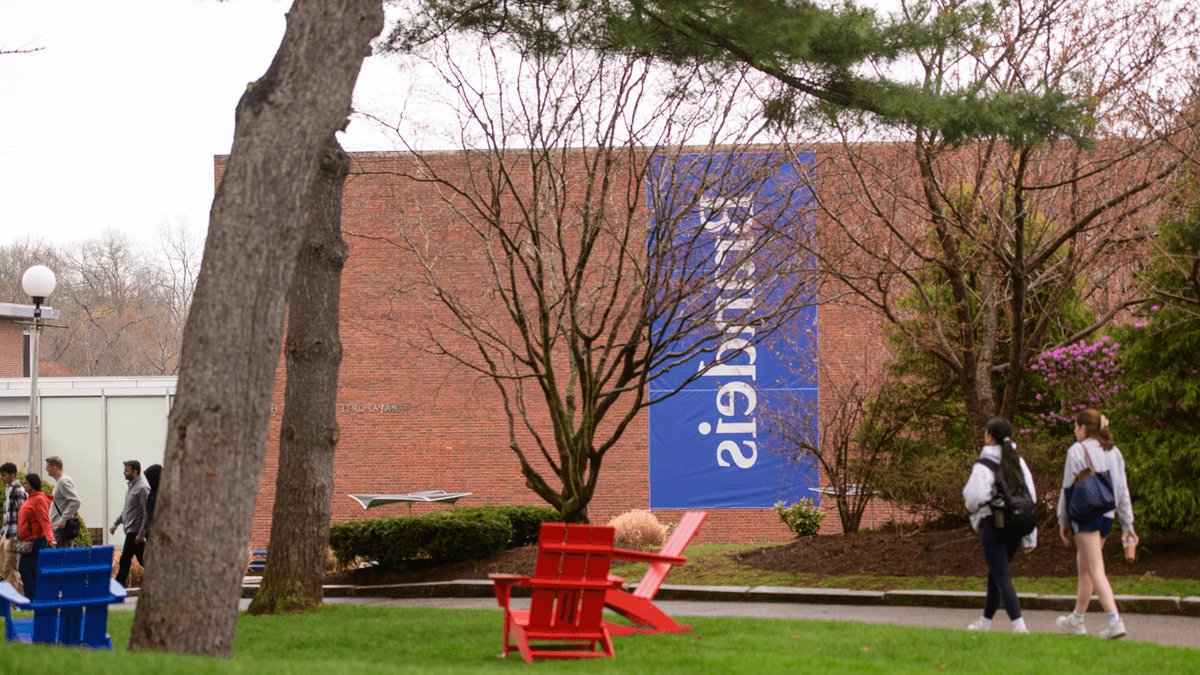
Liberal arts graduates are in demand for their skills, and at Brandeis, more than half of degree earners go on to graduate or professional schools.
Universities must answer how practical liberal arts educations are. Richard Detweiler, former president of Hartwick College, says that advocates for the liberal arts haven’t made their case effectively, and that’s a particular problem in this skeptical era.
The value of a liberal arts education will become more apparent as the job market continues to evolve, and as employers increasingly seek out graduates with strong critical thinking and communication skills. Detweiler notes that the argument for the liberal arts isn’t about the money earned, but about the skills and knowledge gained, which can be applied in a wide range of careers, providing students with a future leaders advantage.
