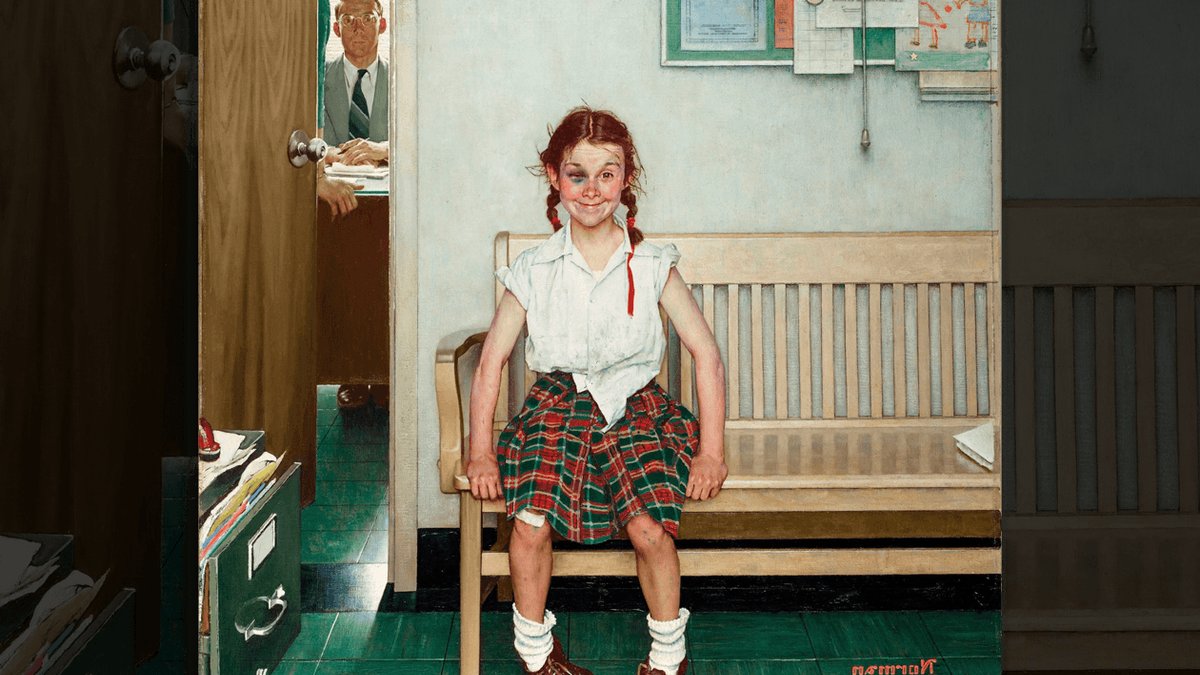
In 1788, James Madison wrote in Federalist No. 51, “If men were angels, no government would be necessary.” The same might be said of student discipline. If children were naturally orderly, patient, truthful, and inclined to subordinate their impulses to the common good, discipline would scarcely be required. Yet a persistent strain of educational thought—from Rousseau to today’s restorative-justice advocates—suggests that disorder at school arises less from human nature than from the heavy hand of adult authority. Remove punishment, replace hierarchy with empathy, and the child’s better instincts will emerge. Madison understood something many educators prefer not to: Institutions exist because human beings are not angels. Children are no exception. Yes, they are capable of generosity, curiosity, and grace; they are also capable of cruelty, impulsiveness, deceit, and disruption. The work of schooling has always involved cultivating the former in students while restraining the latter.
Understanding Behavior
Nathan Maynard’s “The Science of Discipline” argues that most school misbehavior is a cry for help, not defiance. It’s a call to understand what’s beneath the surface—an unmet need, a missing skill, or an emotional overload. Instead of punishment, discipline should start with curiosity, helping students find more constructive ways to meet those needs. This approach shifts the educator’s role from rule enforcer to diagnostician, mentor, and guide.
However, this approach has its flaws. Focusing solely on understanding the causes of misbehavior overlooks the need to shape and restrain certain impulses. Madison understood that institutions exist because humans are not angels. Schools exist to cultivate order, curiosity, and grace while managing selfishness, impulsiveness, and deceit. They must help students understand and resist their impulses, not just understand their causes.
Related: AI adoption calls for balanced thinking
Character and Culture
While Maynard’s approach is humane and promising, it risks interpreting misconduct as incapacity rather than choice. Discipline isn’t merely an interaction between an adult and a child; it’s also a lesson for everyone else. Punishing misconduct shows that it’s not acceptable; rewarding it, even indirectly, can send the wrong message. Children learn from observing consequences, not just experiencing them.
Madison understood that free societies depend on citizens capable of governing themselves. The task of schools is to help create them, balancing understanding with formation, diagnosis with character building. They must help students understand their impulses and learn to resist them, not just understand why they act on them.
In Norman Rockwell’s 1953 painting “The Young Lady with the Shiner,” a young girl with a black eye sits at her desk, her teacher and classmates looking at her with concern. This image illustrates the complex nature of discipline in schools. The girl’s black eye could be a result of an unmet need, a missing skill, or even a breakdown in human connection, as Maynard might argue. But it could also be a result of a poor choice, a lack of self-control, or even a display of defiance. The teacher’s role is not just to understand the cause of the black eye but also to help the girl understand the consequences of her actions and how to make better choices in the future.
